Home Our Seeds

Seeds Built for
Zambia's Land

Eight proven varieties selected and bred for Zambia's diverse climates — from semi-arid zones to high-rainfall regions.

Kagezi Seeds Products

Filter by crop type, or browse the full catalog below. Contact us for pricing and availability.

Pearl Millet Seeds Cereal
🌾

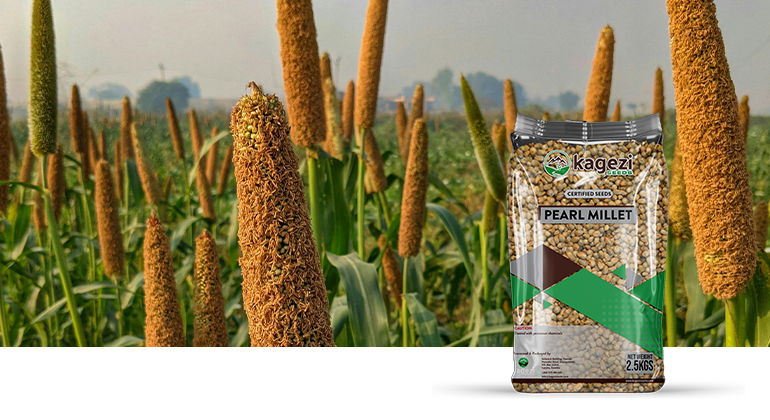
Pearl Millet Seeds

Engineered for Zambia's diverse climatic zones, our Pearl Millet thrives in dry soils and delivers dependable yields even in low-rainfall seasons — a reliable choice for farmers in semi-arid regions.

Drought-tolerant germination
High nutritional value (iron, zinc)
Short maturity cycle
Multi-use: food, feed, and brewing
Drought-Tolerant High Yield Semi-Arid
Frequently Asked Questions
What soil type does Pearl Millet prefer?
Pearl Millet performs well in sandy to loamy soils with moderate fertility. It tolerates acidic soils that would challenge other cereals.

When should I plant?
Plant at the onset of rains, typically November–December in most Zambian provinces.
Sorghum Seeds Cereal
🌿

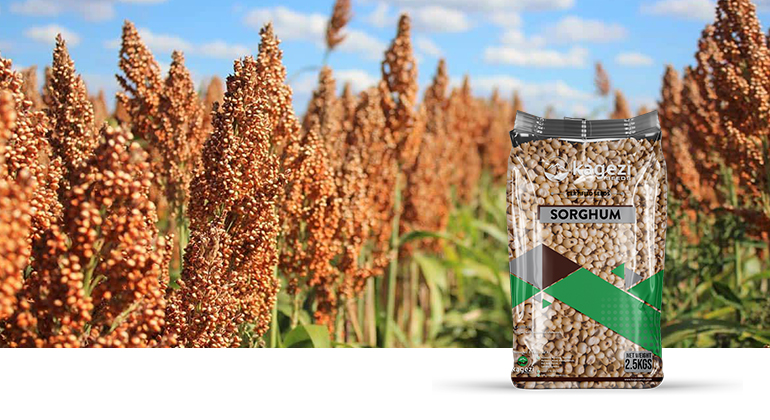
Sorghum Seeds

A drought-hardy grain that performs where others fail. Sorghum's deep root system allows it to tap moisture reserves that maize cannot access, making it ideal for Zambia's low-rainfall zones.

Exceptional drought resistance
Deep root system for poor soils
Suitable for food, fodder, and brewing
Strong market demand (food processors)
Climate-Hardy Multi-Use Market-Ready
Frequently Asked Questions
How does Sorghum compare to maize?
Sorghum requires 30–40% less water than maize and is significantly more tolerant of heat stress. In dry years, it consistently outperforms maize in low-input conditions.
Sunflower Seeds Oilseed
🌻

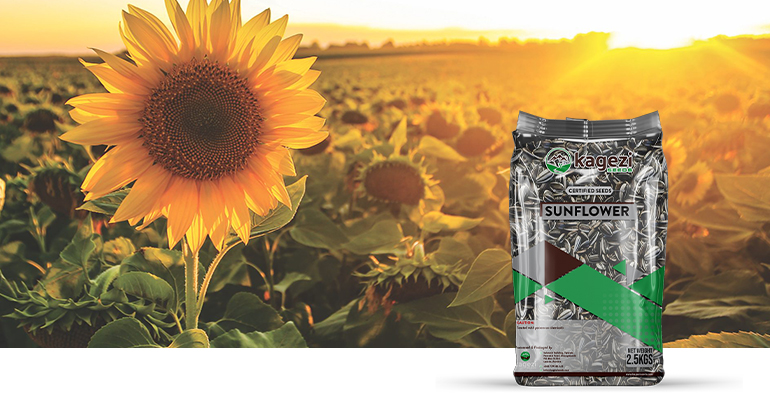
Sunflower Seeds

Specially developed for high oil content and strong adaptability. Kagezi's Sunflower Seeds open multiple income streams — cooking oil production, livestock feed, and direct market sales.

High oil content (>40%)
Deep taproots, drought-tolerant
Strong buyer demand (cooking oil industry)
Multiple income channels per harvest
High Oil Yield Income Generator
Frequently Asked Questions
Who buys sunflower at harvest?
Through our outgrower programme, we connect farmers with cooking oil processors and livestock feed manufacturers who provide guaranteed pre-season purchase agreements.
Bean Seeds Legume
🫘

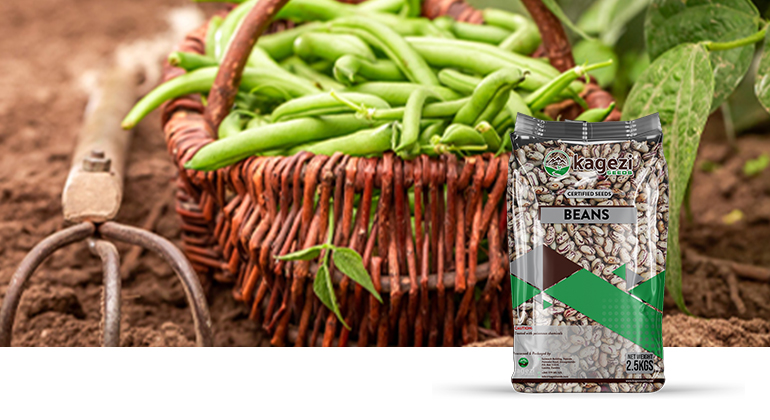
Bean Seeds

Carefully selected bean varieties that improve soil fertility and adapt seamlessly to Zambia's local climate. A high-protein food crop with strong household and market demand.

High protein content
Fixes nitrogen — improves soil for next season
Short cycle varieties available
Strong household and export market
Protein-Rich Soil Improver
Frequently Asked Questions
Can I intercrop beans with maize?
Yes. Intercropping beans with maize is a highly recommended practice. The beans fix nitrogen, benefiting the maize, while maximising use of available land.
Groundnut Seeds Legume
🥜

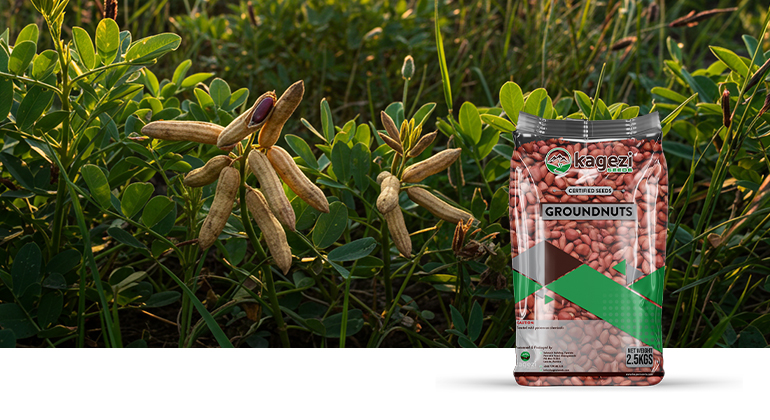
Groundnuts

A nutritious and commercially valuable crop well-suited to Zambia's sandy soils. Groundnuts provide food security, oil production, and a reliable cash crop with broad market access.

High nutritional oil content
Adapts to sandy and light soils
Widely traded in domestic markets
Suitable for both food and industrial use
Nutritious Market Ready
Frequently Asked Questions
What is the typical yield per hectare?
Under good agronomic conditions, farmers can expect 1.2–2.0 tonnes per hectare. Our team provides guidance to optimise spacing, weeding, and post-harvest handling.
Cowpea Seeds Legume
🌱

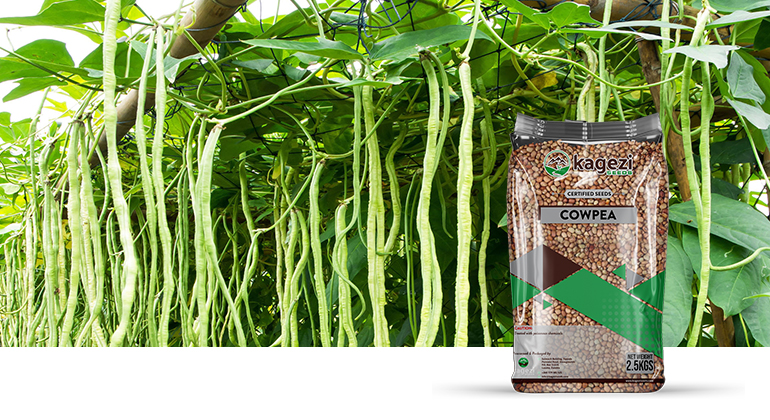
Cowpea Seeds

Protein-rich legumes ideal for intercropping systems. Drought-resistant and valuable as both human food and livestock fodder, cowpea is a cornerstone of Zambia's food culture.

Drought-resistant — tolerates dry spells
Dual use: food and livestock fodder
Ideal for intercropping with cereals
Nitrogen-fixing — improves soil health
Intercropping Drought-Resistant
Frequently Asked Questions
Is cowpea suitable for hot, dry areas?
Yes. Cowpea is one of the most heat and drought-tolerant legumes available, making it particularly well-suited to the Southern and Eastern provinces of Zambia.
Pigeon Pea Seeds Legume
🟢

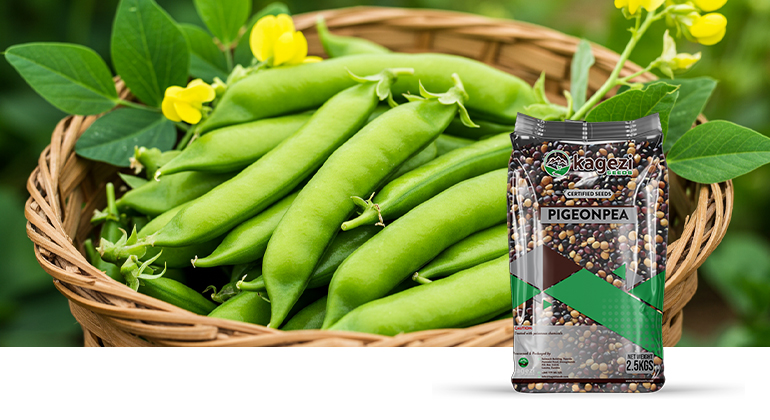
Pigeon Pea Seeds

A highly drought-resistant perennial legume used extensively in intercropping systems. Pigeon Pea provides food, improves soils, and offers a growing export market to Asia and the Middle East.

Perennial — produces for multiple seasons
Strong export demand (Asia, Middle East)
Deep roots — breaks hardpan soils
Good windbreak and shade crop
Export Crop Perennial
Frequently Asked Questions
Can Pigeon Pea survive the dry season?
Yes. As a perennial, Pigeon Pea can survive the Zambian dry season and resume growth with the first rains, giving farmers a multi-year crop from a single planting investment.
Rice Seeds Cereal
🌾

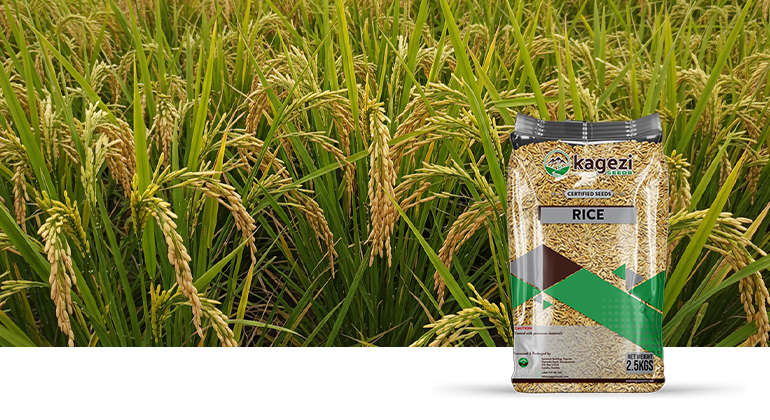
Rice Seeds

Climate-adapted rice varieties suited for Zambia's wetland and dambo farming areas. Our rice varieties are selected for yield performance and adaptation to local water availability conditions.

Adapted for wetland and dambo farming
Good milling recovery rate
High household and commercial demand
Suitable for upland and lowland systems
Wetland Adapted High Demand
Frequently Asked Questions
Do I need irrigation to grow rice?
Not necessarily. Our upland varieties can be grown under rainfed conditions in areas with adequate and well-distributed rainfall. Lowland varieties benefit from natural dambo moisture.
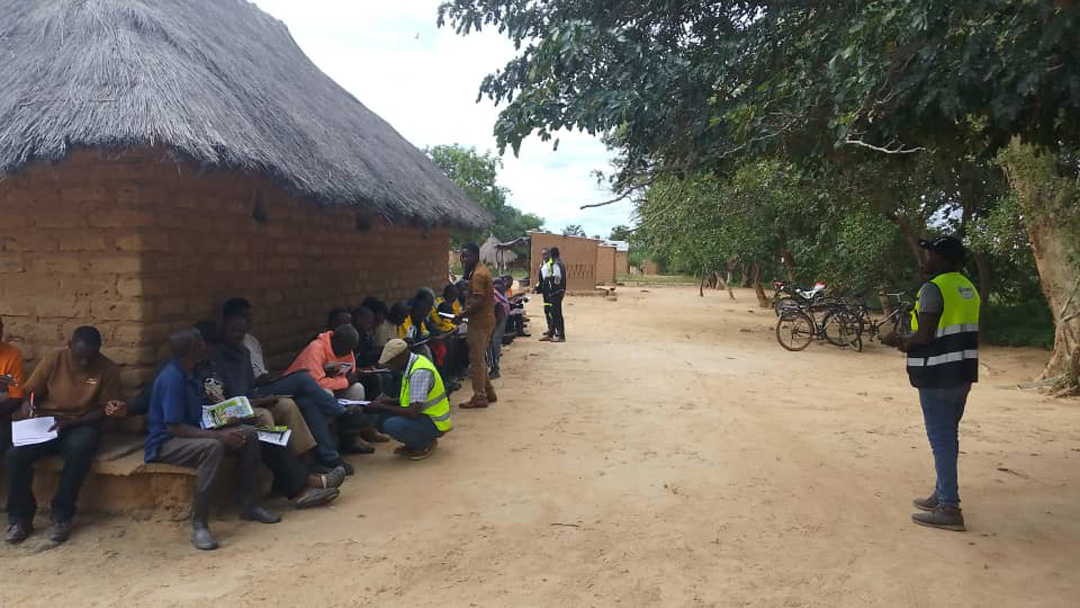
Kagezi agronomist consulting with farmers

Why Choose Kagezi Seeds?

01

Bred for Zambia's Climate

Our varieties are tested in Zambian field conditions — not imported and assumed to work.

02

Research Institution Partnerships

All seeds are validated through CIMMYT, ZARI, and international breeding programmes.

03

Agronomic Support Included

We train farmers on planting, spacing, pest management, and post-harvest handling.

04

Guaranteed Market Linkages

Through our outgrower programme, farmers enter the season with a pre-arranged buyer.

Enquire About Seeds

Not Sure Which Seed Is Right for You?

Call our agronomy team and we'll help you choose the best variety for your soil, region, and market.

Speak to an Expert